
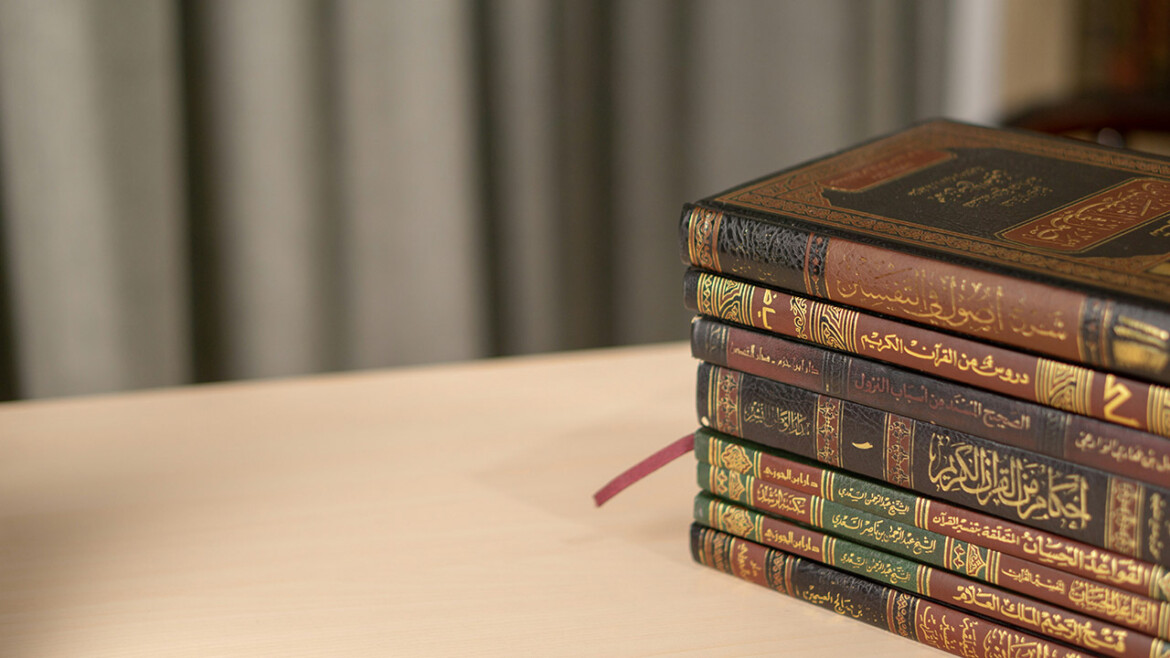
An appropriate Islamic education is fundamentally holistic, seeking to develop the whole person—intellect, spirit, character, and body—in harmonious balance. It transcends the mere transmission of information and aims to cultivate a deep, heartfelt faith (Iman) that informs one’s entire existence. The ultimate goal is not simply to create scholars, but to nurture individuals who are conscious of God (Muttaqun), and who understand their purpose as servants (`Ibād) and stewards (Khalifah) on Earth. This form of education prepares a person for a meaningful life in this world, guided by the principles that lead to success in the Hereafter.
The curriculum of such an education is rooted in a balanced integration of revealed and acquired knowledge. At its core is the study of the Quran, not only for recitation but for deep reflection and understanding, and the Prophetic Sunnah, which provides the practical example of how to live the teachings of the Quran. This is complemented by the study of Islamic jurisprudence (Fiqh), creed (`Aqidah), and spirituality (Tasawwuf/Ihsan) to build a sound understanding of worship, belief, and ethical conduct. Crucially, this religious foundation is not isolated from worldly knowledge; it provides the ethical framework through which subjects like science, literature, and history are engaged, encouraging students to see the signs of Allah in all of creation.
The methodology of an effective Islamic education is characterized by compassion, critical thinking, and gradualness. It follows the prophetic example of teaching, which was patient, story-based, and responsive to the needs and questions of the learners. It moves beyond rote memorization to encourage questioning, reasoning, and the application of principles to new situations. The environment itself is vital; it should be one of respect, mercy, and encouragement, where students feel safe to learn from their mistakes and are inspired by the moral example of their teachers, reflecting the saying of the Prophet Muhammad (peace be upon him) that “The best among you are those who have the best manners and character.”
Ultimately, the true measure of an appropriate Islamic education is its impact on the individual and society. It successfully produces individuals who are not only knowledgeable but also ethically grounded, spiritually aware, and socially responsible. Such individuals embody the Islamic virtues of honesty, generosity, justice, and compassion in their dealings with all people, regardless of their faith or background. They become positive, proactive contributors to their families, communities, and the wider world, working to enjoin what is good and forbid what is evil, thereby fulfilling their role as a “middle nation” (Ummah Wasat) and a source of benefit for all of humanity.
Photo Credits: Madrosah Sunnah on Unsplash